
TO-GATHER
Exploring the ways in which the components of a picnic table, and its users, can be shifted into new relationships with each other.
Omaha, Nebraska
75 SF
2021-2023
-
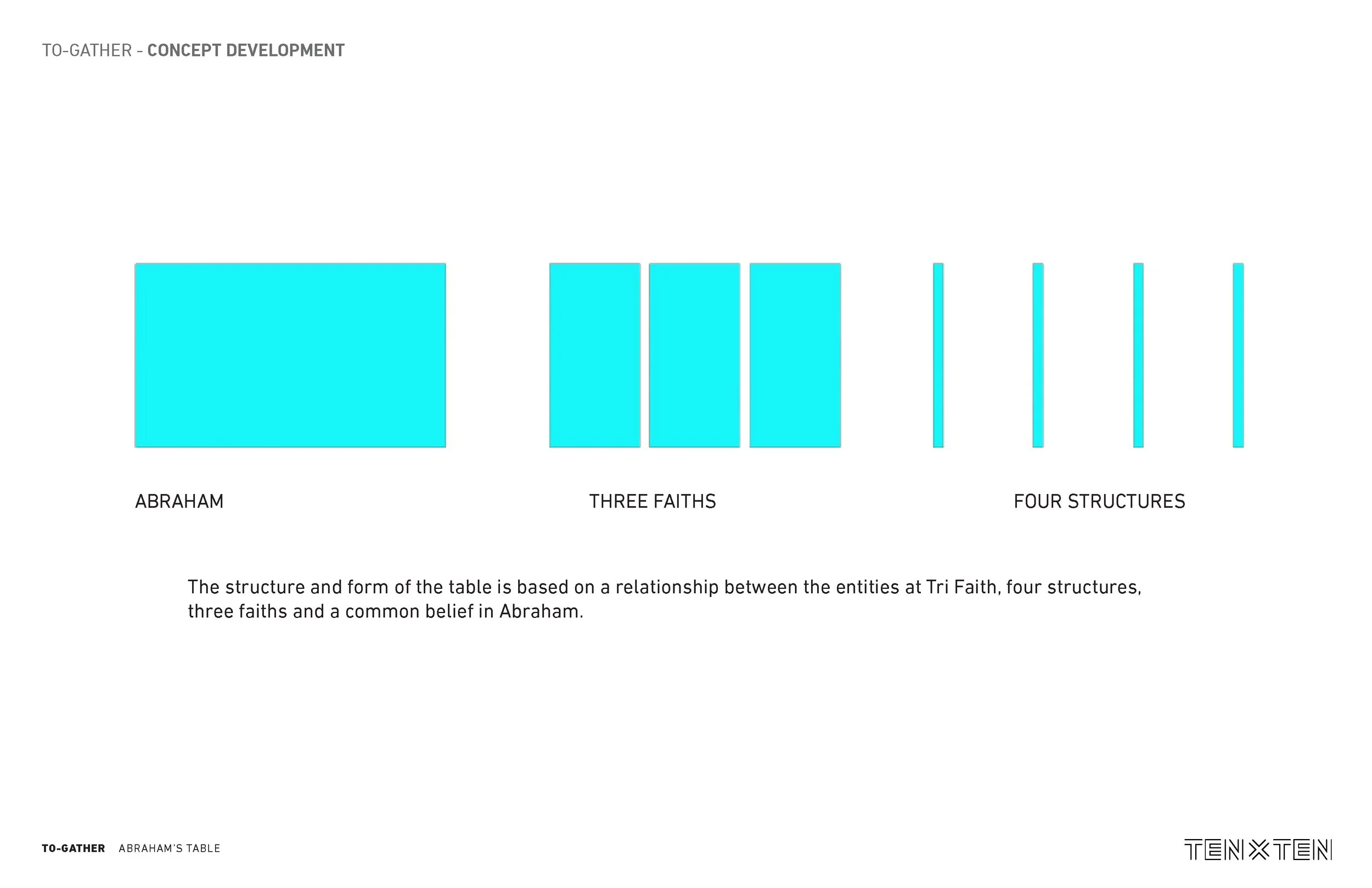
Created by the Tri-Faith Initiative, the “To-Gather” public art initiative seeks to “encourage conversation around religious diversity and bridging difference,” along with inspiring gathering, sharing, and collaboration through the design and installation of picnic tables. Seven architecture and landscape architecture firms were paired with Omaha nonprofits to collaborate with throughout the process, and our team partnered with the American Muslim Institute.
-
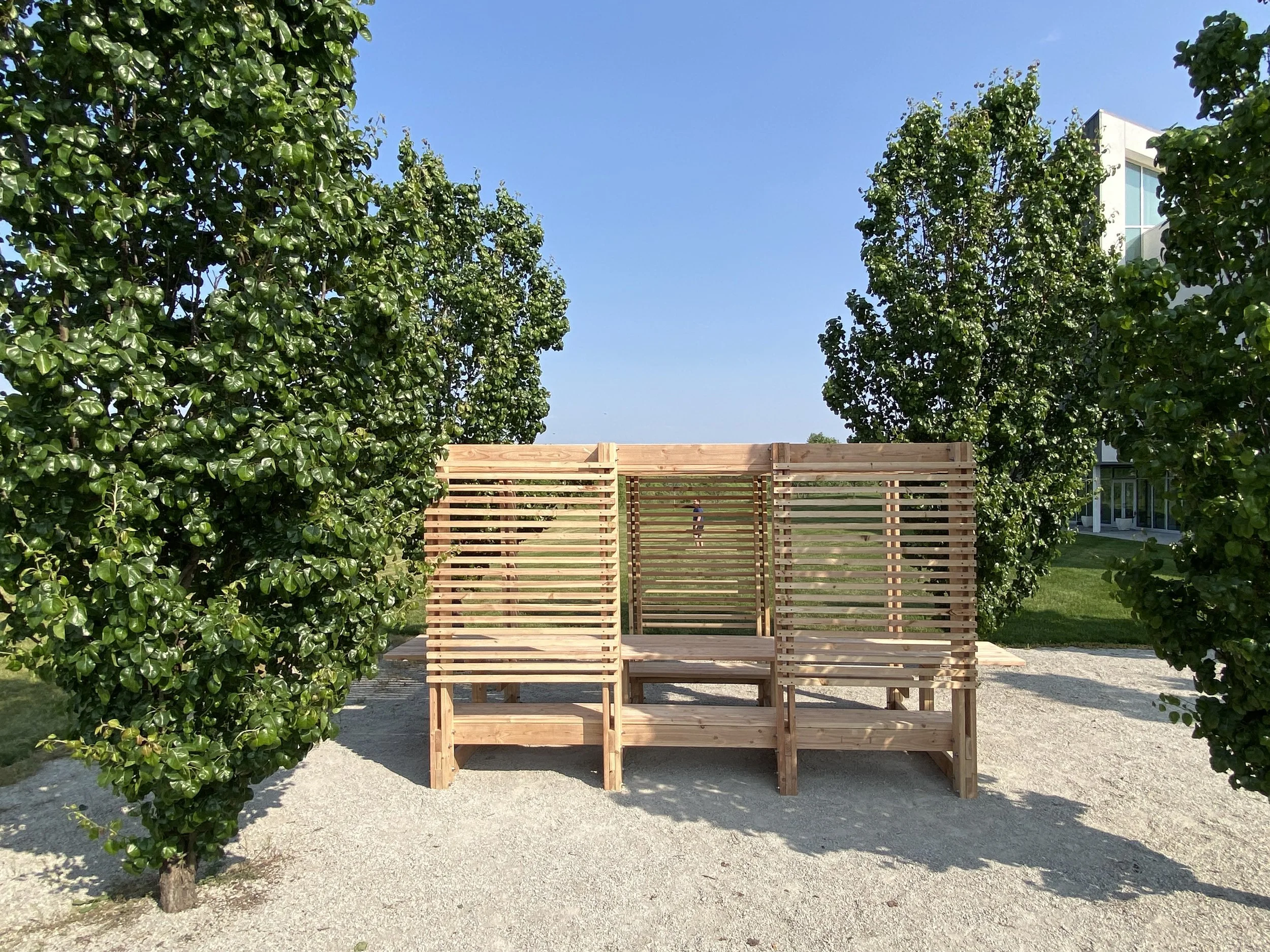
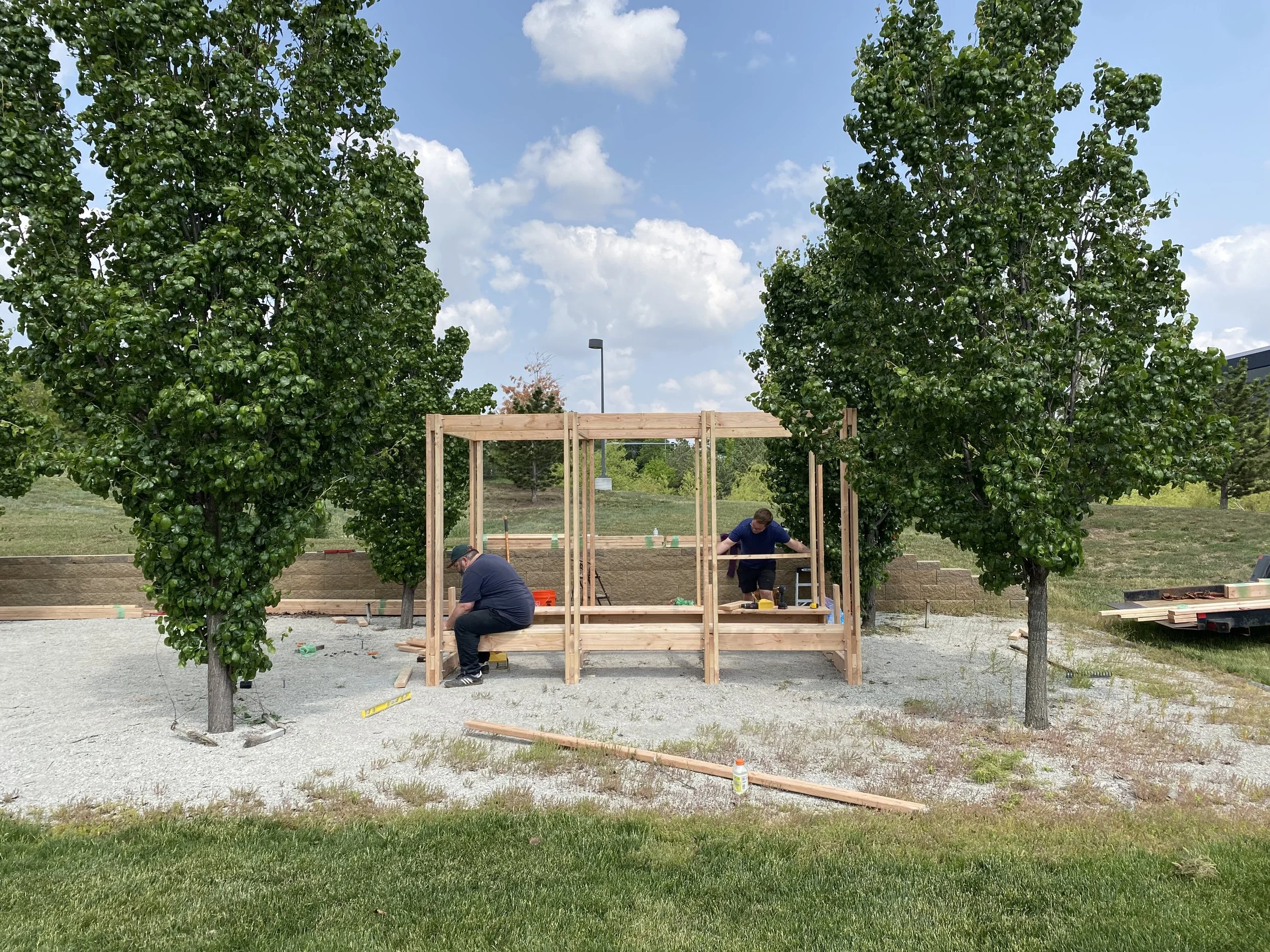
Centered on a covered picnic table built for the American Muslim Institute (AMI) on the Tri-Faith Campus, this project investigates how site furniture can be made both physically inclusive and broadly accessible through its design and construction. Through full-scale prototyping and testing, the team refined proportions and construction methods using standard materials and tools. After completing the design process, the TxT team prepared, cut, and loaded up all the materials, then road-tripped to Omaha to assemble the final picnic table outside of the AMI. What emerged is a modular, repeatable structure rooted in clarity and simplicity - one that invites replication, customization, and flexible use across a range of site typologies.
-
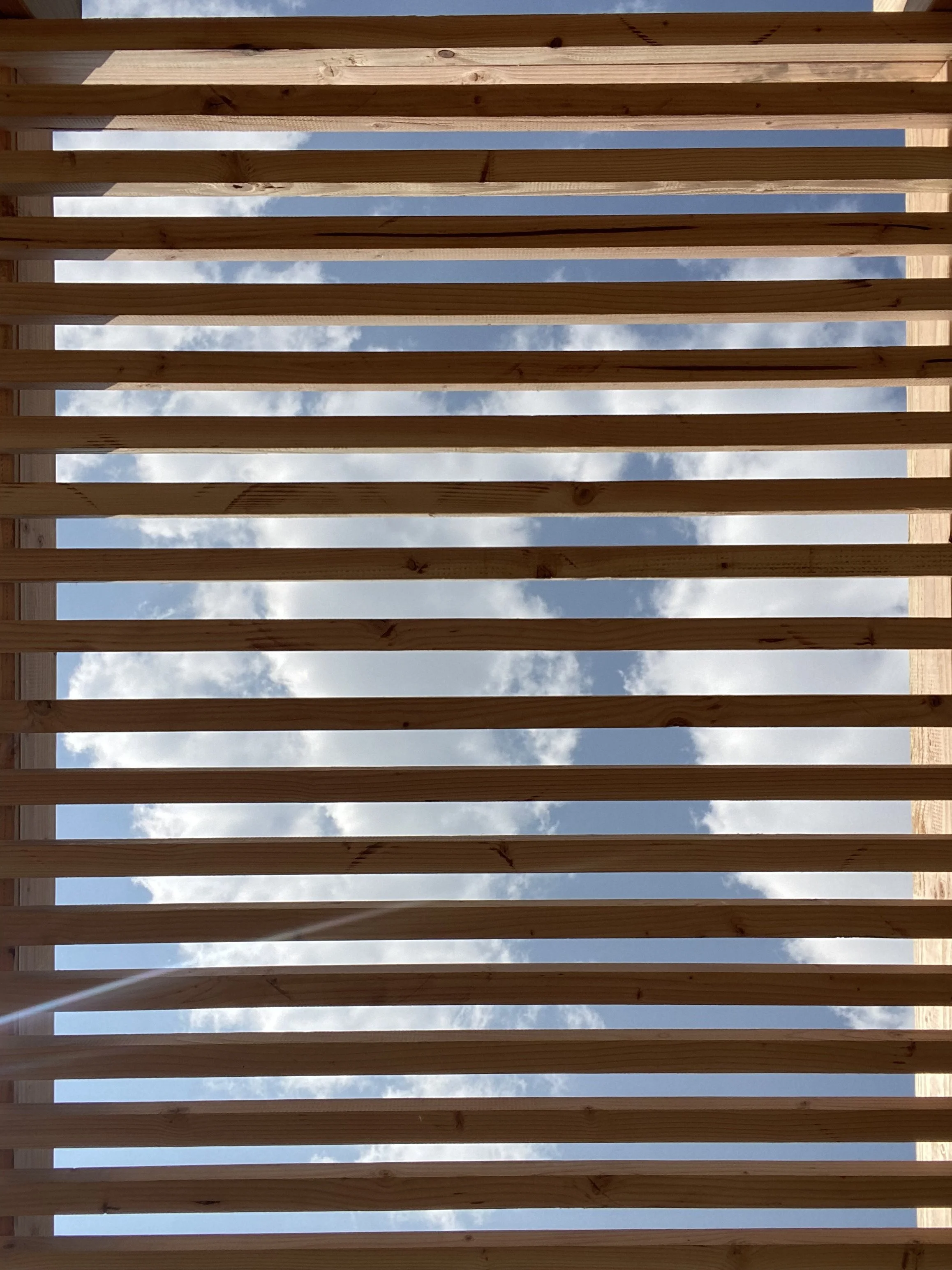
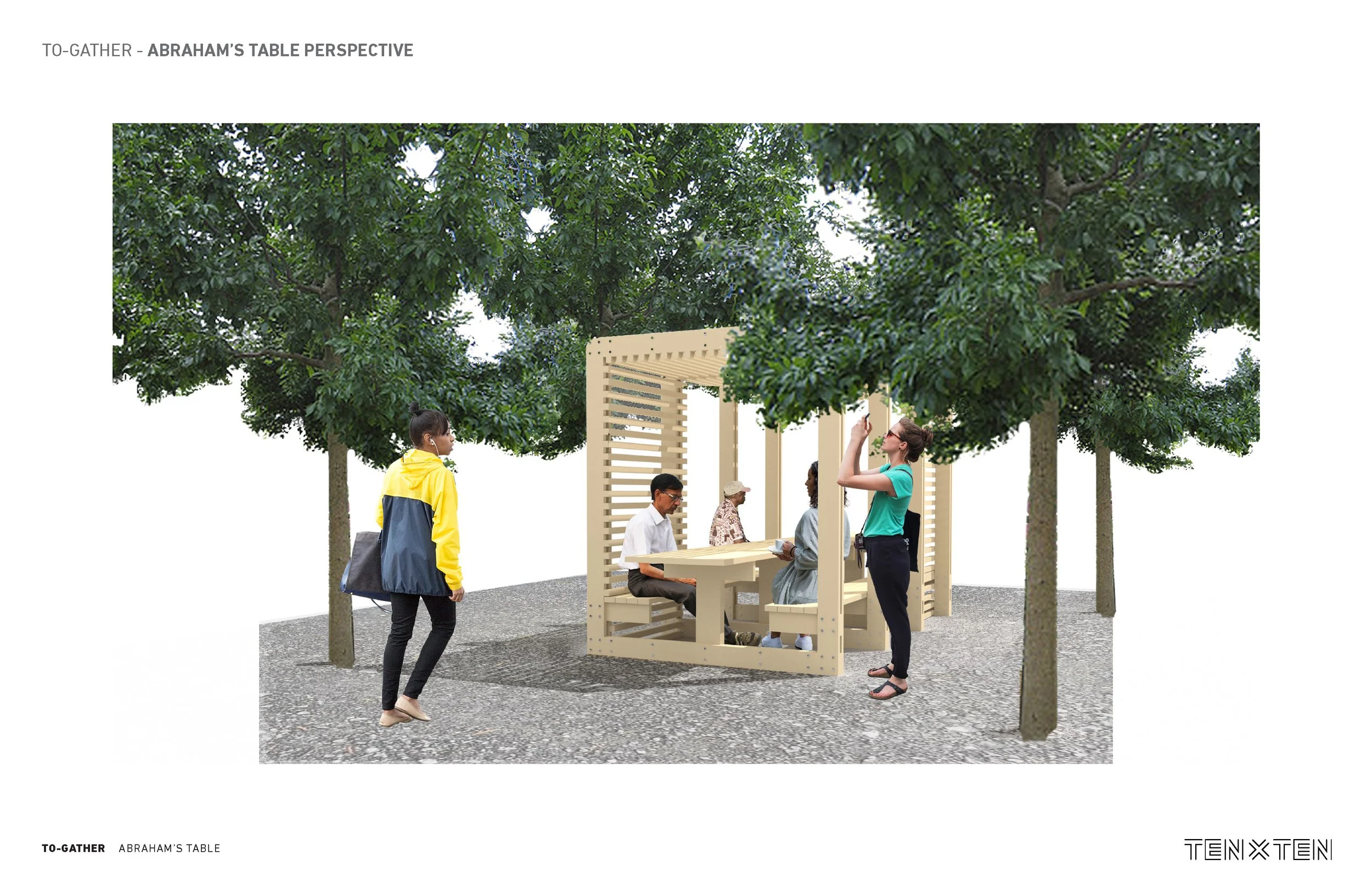
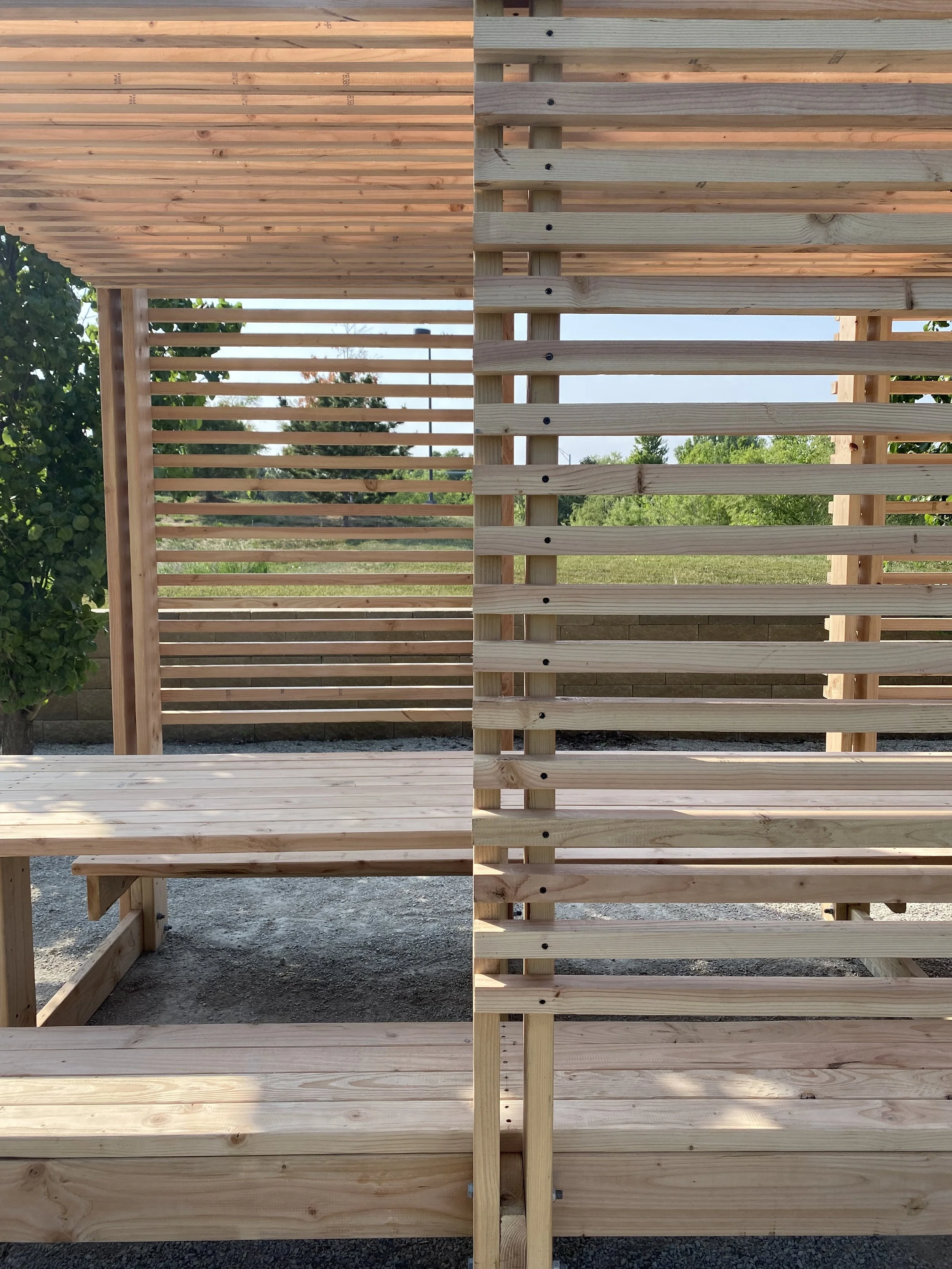
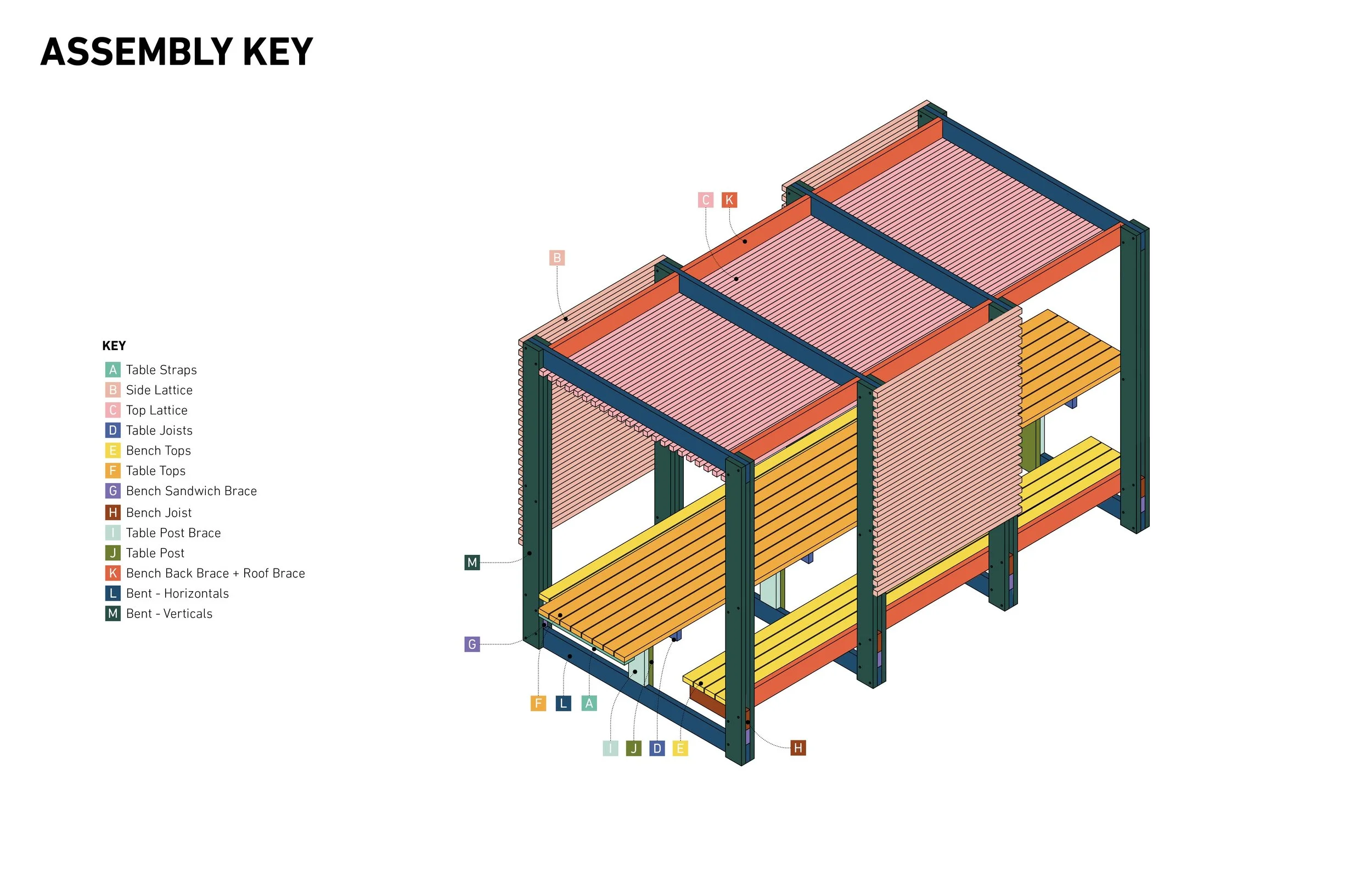
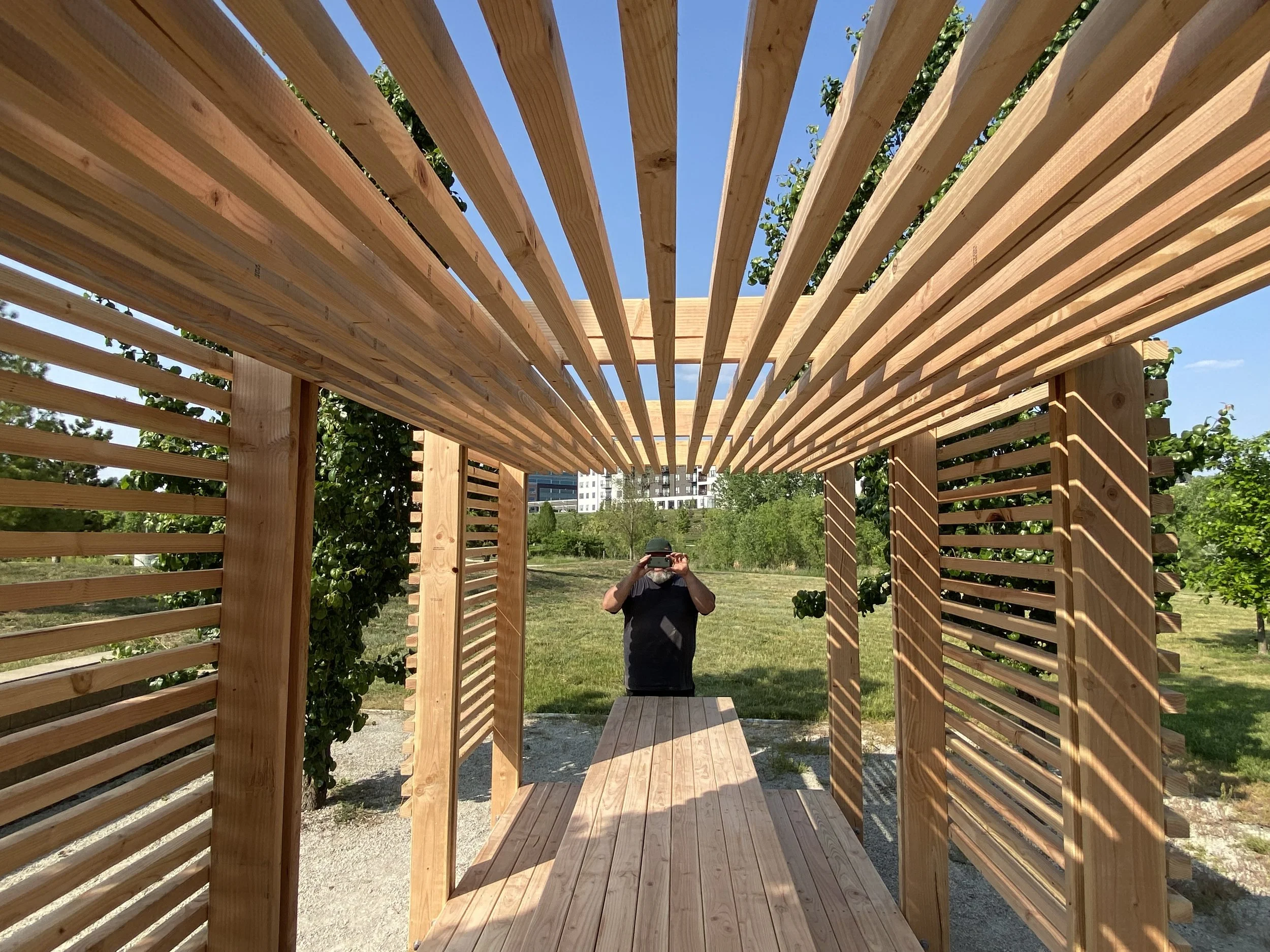
The structure that sits at the AMI is a covered picnic table that seats 10 - 12 people and includes open ends for wheelchair access. A mix of open and backed benches accommodates varied comfort preferences, while a slatted canopy offers shade and spatial definition. Its form supports communal meals, quiet sitting, or informal gathering - inviting flexible use.
Constructability and adaptability were core to the design. Made entirely from standard lumber and off-the-shelf fasteners, it can be assembled with basic tools using simple, repeatable steps. User-friendly construction guides support replication by individuals or groups without specialized skills or equipment.
The modular frame also allows for adaptation to diverse site conditions and programmatic needs. It could be condensed into a single bay for a more intimate garden setting, extended into a longer communal table, or enclosed entirely to function as a bird blind or meditation alcove. A table-less variation might serve as a trail-side rest stop, while removing the seating altogether could allow it to operate as a small stage. These variations are all made possible by the design’s consistent structural rhythm and straightforward material assemblies. The resulting structure is simple in form but layered in intention - serving as both a built piece of public furniture and a prototype for accessible, situationally responsive design.
PROJECT DETAILS
Location Omaha, Nebraska
Team TEN x TEN
Area 75 SF
Status Completed in 2023
Photos TEN x TEN